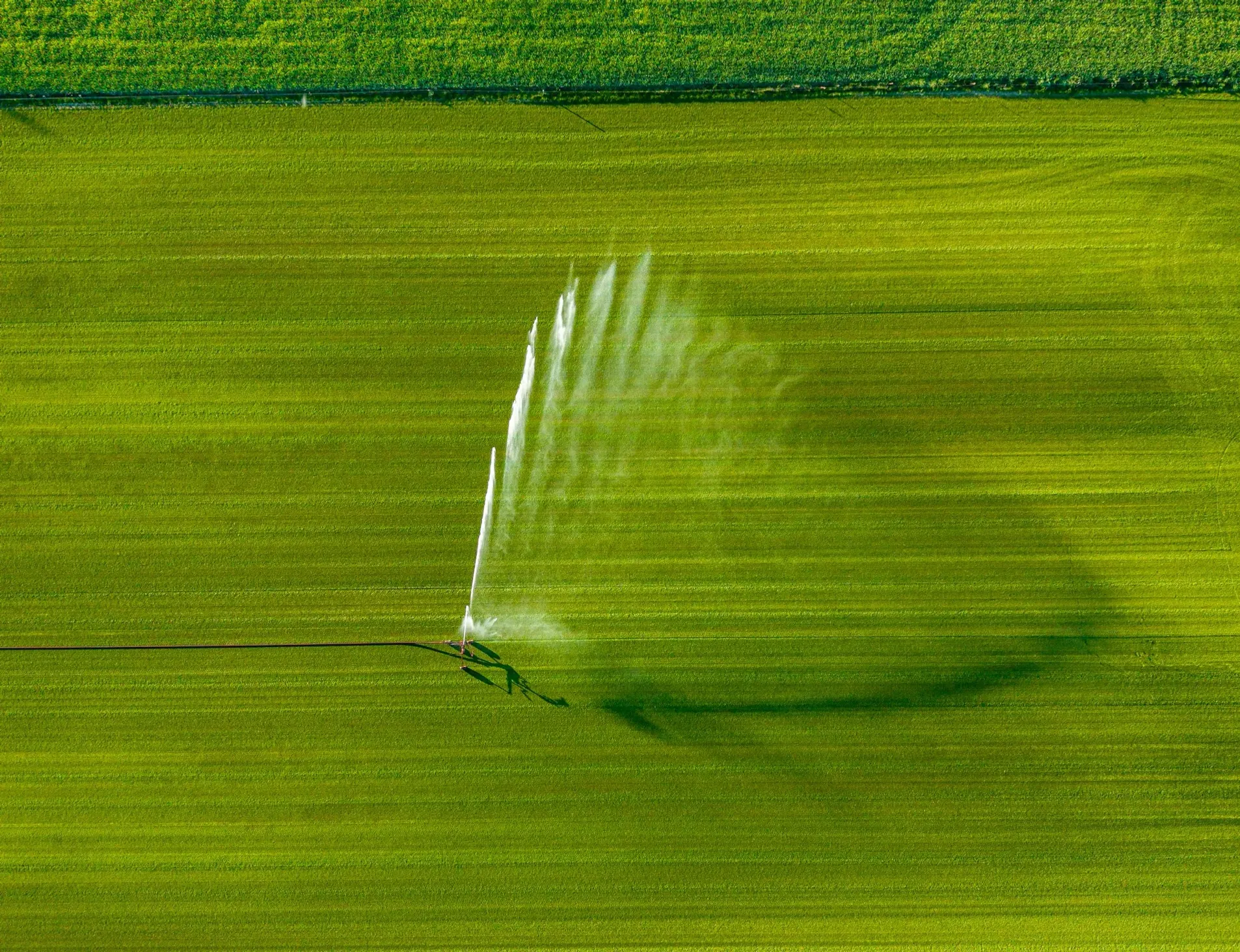
When calculating a water footprint, it has often been assumed that if a crop is entirely rainfed (non-irrigated), its Blue Water Footprint is effectively zero. However, natural hydrological processes are far more dynamic. Even without active irrigation systems running, deep crop roots can draw up passive groundwater, a process known as capillary rise. Agri-footprint 8 directly integrates capillary rise into its water footprint calculations, building on more refined assumptions to deliver a clearer, more accurate picture of agricultural water use.
Blue Water Footprint of Belgian wheat grain
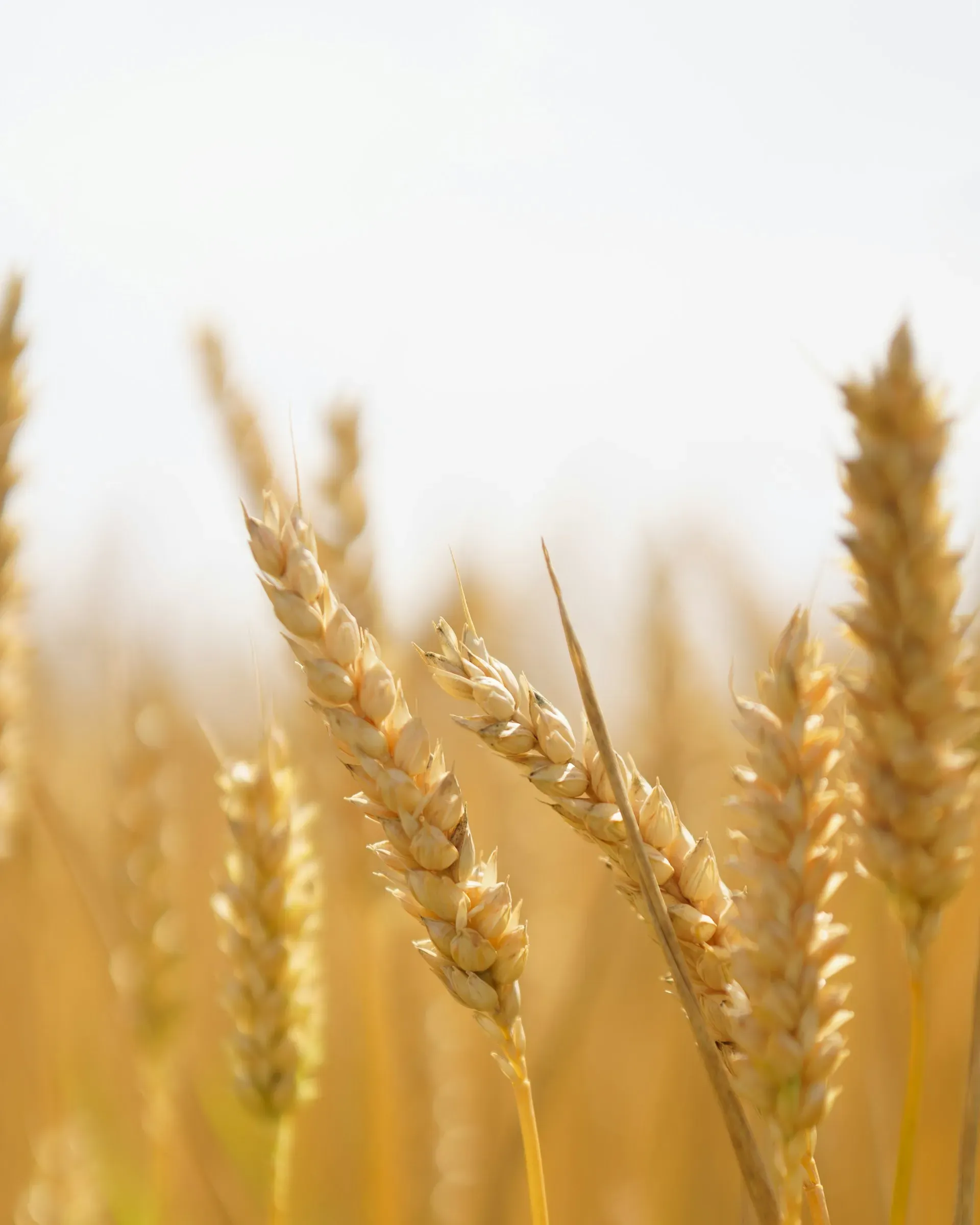
To see this update in action, we take Belgian wheat grain (Wheat grain, at farm {BE}). Because it is primarily rainfed, Agri-footprint 7 reported a near-zero Blue Water Footprint (≈ 0.38 liters/kg). By factoring in capillary rise and daily soil moisture in Agri-footprint 8, that figure rises to ≈ 6.31 liter/kg. While a gain of 5.93 liters/kg sounds small for a single kilogram, it represents a 17-fold increase across your supply chain, uncovering groundwater use that previously went uncounted.