
Some examples of our work
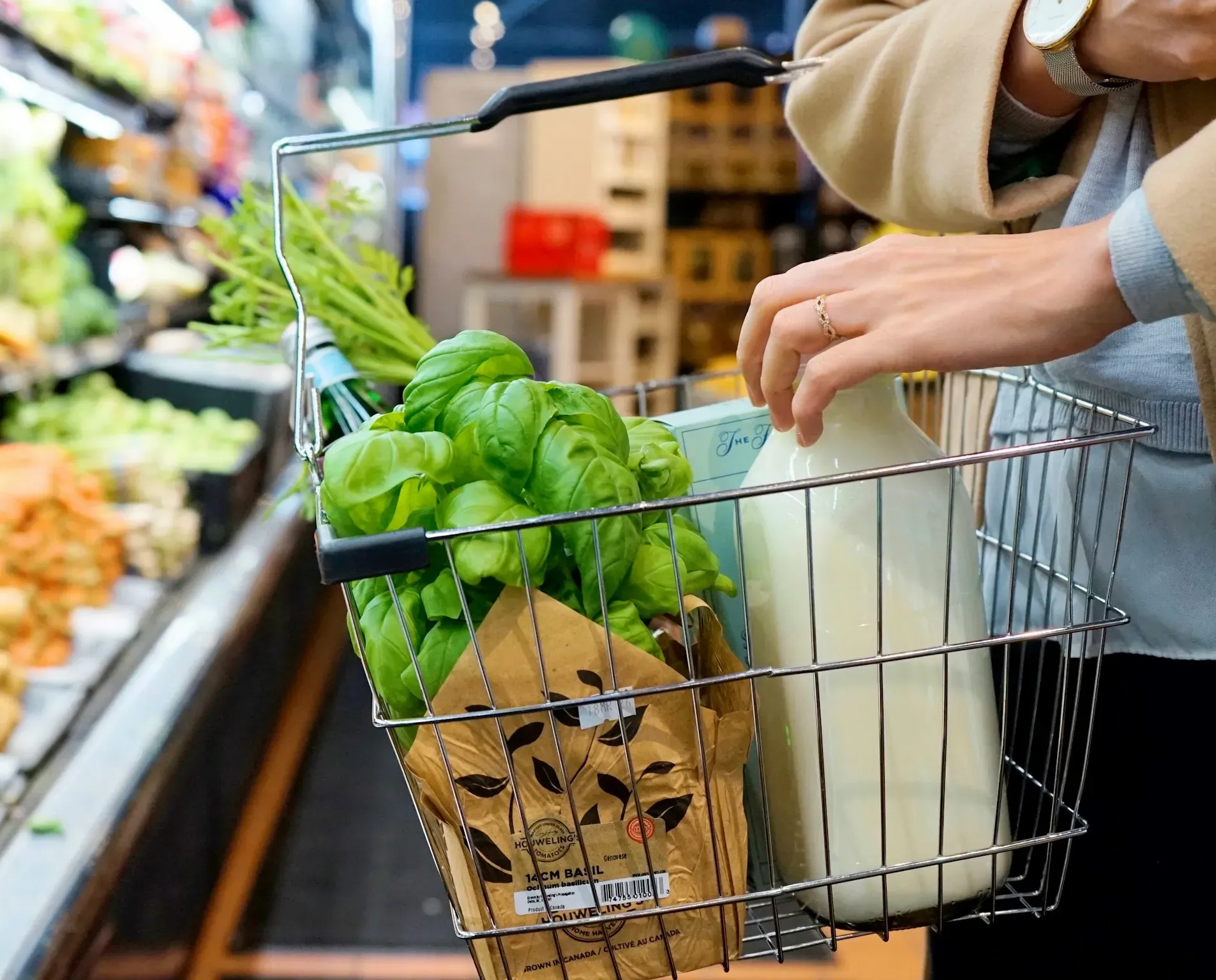
Building the European Environmental Footprint of Food Database
In this article we explore the development of the European Environmental Footprint of Food Database, which we developed for the European Food Safety Authority (EFSA).

Sustainable soy chain for Albert Heijn's chicken products
Together with Albert Heijn and its supply chain partners, we helped set up a Chain of Custody system for chicken feed to enable lower-carbon sourcing. The result shows a potential 38% reduction in the carbon footprint.

Quantifying the sustainability of an innovation in strawberries
We conducted an LCA of Limore One, an innovative strawberry variety from Limgroup.
The results support Limgroup with validation of the sustainability benefits and identify hotspots for further improvement.

Providing the sustainability advantage of U.S. soy
For the U.S. Soybean Export Council (USSEC) we conducted a series of footprint studies. The results provide USSEC with independent and science-based data, which they use in their external communications.

Measuring coffee’s impact: New harmonized footprint guidelines released
The shadow coffee PEFCR offers sector-specific guidance to help coffee companies produce transparent, reliable environmental footprint studies that meet EU standards and drive sustainability across the supply chain.
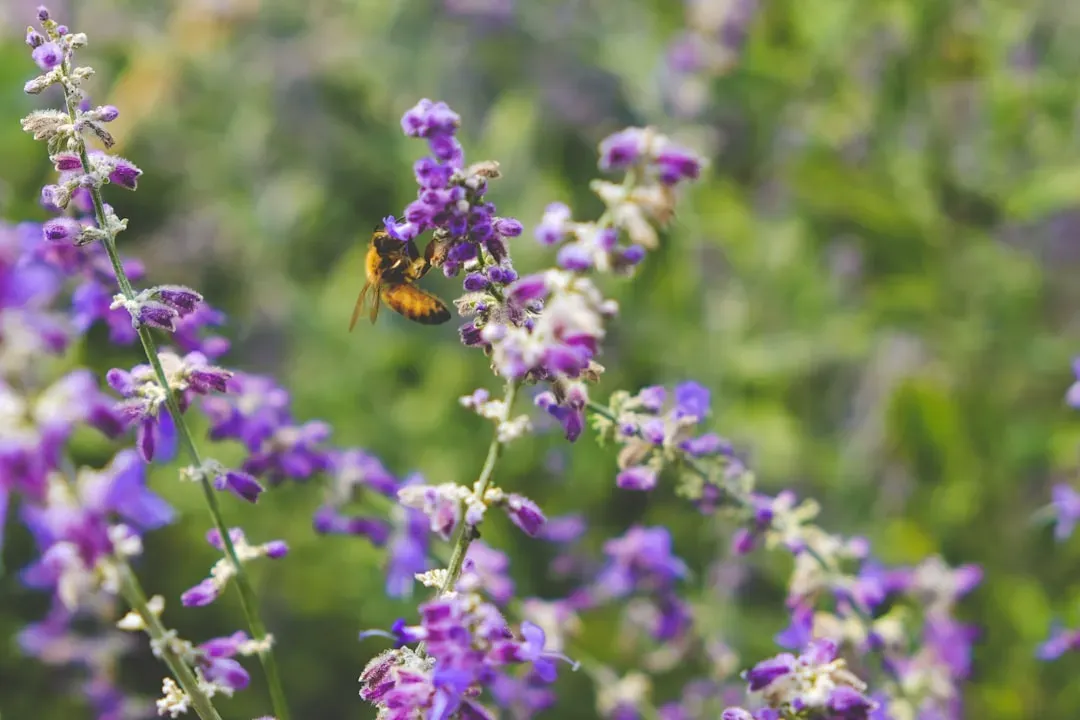
How does your diet affect biodiversity?
In a new study we offer a fresh perspective by integrating a biodiversity indicator into the LCA framework. With this study we move beyond traditional environmental metrics to reveal how food systems contribute to biodiversity loss.

Enabling Rabobank to support horticulture growers in calculating their CO2-footprints
Discover how FastCrop™ Footprint helps Rabobank streamline CO2 footprint calculations, collect primary data for growers, and offer expert advice to reduce emissions effectively for the horticulture sector.

Healthy and sustainable diets in Central Europe
We supported WWF Central and Eastern Europe (CEE) with diet modelling techniques and environmental data to develop win-win eating patterns. Sustainable diets that meet national nutritional requirements and reduce environmental footprints of diets for adults in Czechia, Slovakia, and Hungary in 2030, while respecting cultural dietary habits.

Carbon footprint tool for seafood sector
For Seafish, UK's public body supporting the UK seafood sector, we developed a sector Carbon Footprint Tool. The tool enables UK seafood businesses, both wild capture and aquaculture, to calculate product carbon footprints and gain insights to supply chain improvements.

Critically reviewed LCA studies of Oatly products and comparison with cow’s dairy products
An overview of the publicly available LCA and footprint studies for Oatly. Through critically reviewed LCA studies, we have compared the environmental footprint of various Oatly products with their cow’s dairy counterparts.

Methodological study: Applicability of sector LCA guidelines
Over the last year we worked with Foundation Earth to develop a harmonised methodology to assess the environmental impact of food and drink products. This methodology makes it possible to make fair comparisons between the environmental impact of food product.

Agri-footprint Branded Data-Add ons: Donau Soja
Donau Soja is keen to disclose their environmental impact data to facilitate a rapid transition to more sustainable European protein value chains. Therefore, we conducted an LCA of Donau Soja / Europe Soya certified soybeans from 4 different countries. The footprint datasets are freely available as Agri-footprint Branded Data Add-ons.

Eating for Net Zero: the role diets can play in the transition to lower environmental impact
For WWF-UK we modelled the Livewell diet and investigated how diet shift can enable a nature positive net-zero transition in the UK. The findings show that with a dietary change it is possible not to exceed the planetary boundary for GHG emission, whilst meeting the nutritional needs, being cultural acceptable and without increasing the price.

GRSB launches harmonized Carbon Footprint Guideline
The Global Roundtable for Sustainable Beef (GRSB) recently launched the GRSB Carbon Footprint Guideline, which will help sector-wide and global consistency in carbon footprint calculations for beef cattle production. We developed the methodological approach and drafted the guideline in close collaboration with the GRSB Climate Science Committee.
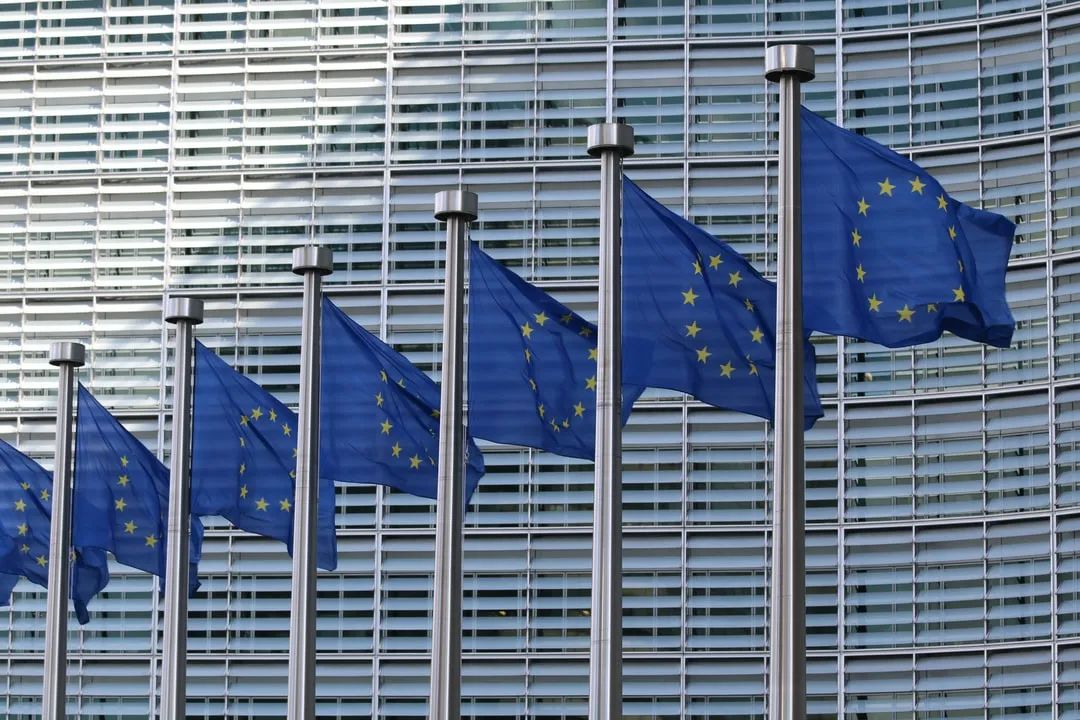
EU Environmental Footprint datasets
For more than 10 years we have been closely involved in the EU Environmental Footprint (PEF) initiative. As part of a consortium we worked on the Environmental Footprint 4.0 (EF 4.0) life cycle inventory datasets.

Development of the HortiFootprint Category Rules
To meet consumer and industry stakeholder demands for environmental impact information, in 2018, a project was started to develop uniform calculation guidelines to be accepted across the whole horticultural value chain and in line with European directives. We were part of the project team and involved as an expert.

APS-footprint as core engine for DSM's Sustell™
We are very proud of our cooperation with innovative companies that bring sustainable business into practice. DSM is for us a strategic partner in developing our flagship APS-footprint tool. For DSM the APS-footprint became the core engine of Sustell™, a recently launched holistic animal protein sustainability service.

Methodological exploration by Blonk and DSM
Together with DSM we set up a methodological study to explore the applicability of sector LCA guidelines, such as FAO LEAP and EU PEF. We modeled nutritional interventions, specifically the use of feed additives, and explored the effects. The study was externally reviewed by an expert panel.